Discover the latest digital experience trends shaping the building materials industry, including authenticity, VR/AR and omnichannel strategies.
Part 2 - Digital Experience Trends for Building Materials Brands

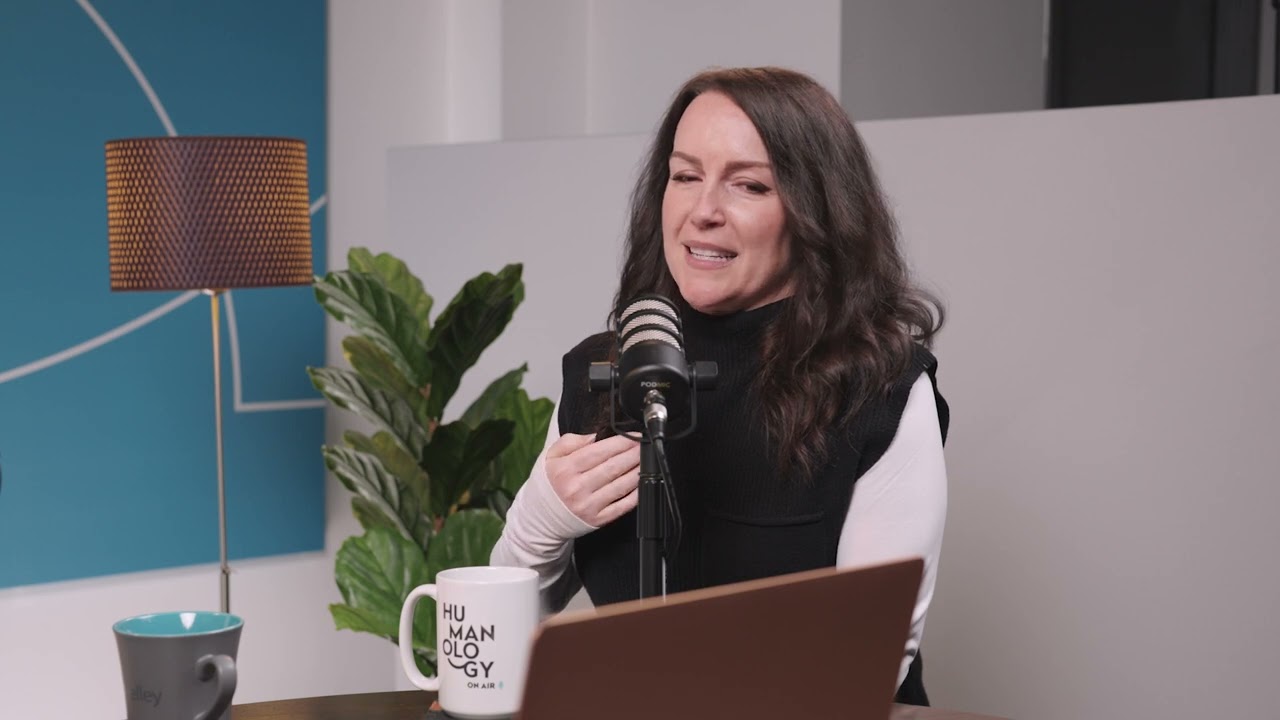
Welcome to the second half of our two-part Constructive Insights episode, where Jen Candlish is joined by Jan Kelley’s Director of Experience Design Andy Patrick to chat about the latest digital experience trends. In Part 1, they talked about how digital experiences have changed along with customers’ expectations – and how certain features (like chatbots and personalization) can be used to better understand customers, gain valuable insights and create a seamless digital experience that will set you apart from competitors.
In this second part, they’ll be covering three more of the latest digital experience trends, along with three takeaways you won’t want to miss. (If you haven’t seen Part 1 of this episode yet, go check it out now.)
What you’ll learn in Part 2
- The importance of authenticity and transparency for marketing building materials brands
- The difference between virtual reality and augmented reality and how they can be used within the building materials industry
- What omnichannel is and why it’s important for a better digital and user experience
Trend 3: Authenticity & Transparency
From processes to costs and everything in between, it’s important for building materials brands to be authentic and transparent about what they can offer their clients. As we’ve said before, customer expectations have changed – people now expect to have things like delivery costs, product manufacturing or delivery timeline information readily available. If brands don’t provide this information up front, customers will look for it in other ways – like online reviews. The bottom line is, these customers want to learn about real experiences and see real feedback about products and services.
“We’re in a generation where reviews are always out there. There’s no hiding. You can’t pretend that something is going to take half the time, when in fact, it actually takes double.” – Andy Patrick
The benefits of having authenticity and transparency:
> You create content that your audience actually wants and values.
People are going to search anywhere and everywhere to get genuine answers to their questions, in any stage of their journey. So, why not be the brand to have those answers? By having a good understanding of your audience’s pain points and processes, you can then create content that addresses those needs. Presenting the right information allows them to choose the right building materials products or brand easier.
> You become a go-to resource for them.
Once you know your customer, you can extend your content further – addressing not only their hesitations and considerations, but also any hiccups they may encounter on a job site. From delivery delays to labour costs, having content that speaks to these issues helps customers feel supported and, therefore, increases the chance of them coming back to you for more answers. The more they seek your content, the more you become that go-to resource.
“We don’t want to hold anything back. We want to help them in their role. We want to be that go-to resource that has everything they need from scoping to spec-ing to installation – and everything in between.” – Jen Candlish
> You establish a deeper level of trust, which can strengthen brand loyalty.
Content that’s readily available, easy to find and accessible is key. All of this helps to establish trust between you and your customers. It’s important to not only create content, but create content that your audience is looking for from you.
“Brands succeed because customers trust them and because they keep coming back to them. And so, for a building materials brand to be really successful, it’s about understanding their audience and giving them the tools that are going to help them in their role.” – Jen Candlish
Another thing to keep in mind is the language you use. While it’s important to give customers the content they need, you don’t want to come off as salesy. To identify what tone of voice or what language to use for your customers, there are creative exercises you can do. Personas and journey mapping are two great examples where you can distinguish customers’ roles, pain points, ambitions and what they’re expecting at every stage from research to purchase.
“People don’t expect the hard sell anymore. They want the trusted advisor. Someone who’s going to be along with them, supporting them throughout the buyer journey.” – Andy Patrick
GTG Builders, a custom homebuilding company, is one example of a brand that’s integrating more authenticity and transparency into its marketing communications. The company wrote a comprehensive blog post addressing all of the common hiccups that might occur during the homebuilding process. From timeline shifts to budget costs, the company has clearly outlined its position – so that there are no misunderstandings or potential issues along the way.
Trend 4: Virtual Reality & Augmented Reality
Although virtual reality (VR) and augmented reality (AR) have been around for a while now, they’re continuing to grow and evolve. As time goes on, more and more businesses will adopt them – whether it’s the use of VR headsets or using AR on smartphones, this technology is something we all need to be aware of and ready for.
The difference between VR and AR:
VR is an immersive experience where you’re brought into a virtual world to explore. An example would be the Fortnite video game platform or the Metaverse – two different applications where users are going to interact in a variety of ways. AR is an interactive experience, where you’re altering something in a real-world environment with a virtual component. For example, the IKEA Place app allows users to use their smartphone to virtually place any product within a real room to see how it would look.
The benefits of VR and AR technology:
> It has the potential to elevate experiences with customers.
We’re even seeing VR and AR examples happening at building trade shows and events. In the future, these technologies could be used to look at new construction builds, new homes or job sites. Although the technology isn’t quite there yet, it’s important for building materials brands to be aware of it so they can start to think about how to integrate it into their digital experiences, when the time comes.
Trend 5: Omnichannel
Similar to multi-channel marketing, omnichannel marketing uses the blend of different channels within your marketing strategy (think email, retail, website etc.), but creates a seamless experience no matter which channel a user is interacting with. So, whether it’s online, on mobile, through email, etc. – all of these channels are communicating with each other, passing along insights and data in the process. With things like email automation, online shopping etc., omnichannel experiences are becoming more of an expectation for users. They want to be able to have a seamless process from product selection to delivery.
The benefits of omnichannel:
> It strengthens your brand’s voice and messaging.
When creating an omnichannel experience, you have the opportunity to ensure your brand’s voice and content are consistent. So, whether it’s an online ad or email, your content and creative should sound the same – so users aren’t feeling like they’re jumping from one brand experience to another. Having a consistent, authentic brand voice helps to establish your building materials brand as a go-to partner users can trust.
> It puts you in your users’ shoes.
Taking the time to look at all of your channels and your overall digital experience helps you to envision your users’ online journey, what they need and how you as a brand can enhance your customer experience and foster a long-term relationship.
We help make digital experiences seamless.
Whether you’re looking to refresh or enhance your website, build landing pages or integrate a chatbot – we can help make your digital experience one to remember. Contact us to chat more about our digital experience services or check out our JKBuild website grader to see how the digital experience of your building materials website currently ranks compared to your competitors.
More Webinars

Are your campaigns making promises to your customers? They should.
Do you struggle with getting buy-in when it comes to building your brand? Want to learn more effective brand building strategies? Then you’ll want to watch this Humanology on Air.
Creating and Capturing Demand
Learn how to balance brand building and performance media in today’s digital landscape. Explore insights on aligning creative and media strategies, overcoming fragmentation, and much more.

E-Commerce in Building Materials: Strategies for Success
From Brick-and-Mortar to Click-and-Order: E?Commerce Strategies for Building Material Brands. Learn how to optimize digital sales, enhance customer experience, and drive growth in the evolving online marketplace.
Never miss a Webinar
Want to sign up for updates, announcements, offers and promotions from Jan Kelley? Simply fill in the form below and we’ll keep you up to date. You may later withdraw your consent at any time. Check out our Privacy Policy.