As this values-driven, tech-savvy generation enters the trades, building material brands must evolve. Discover what drives Gen Z and how to earn their trust through sustainability, innovation, and authentic connection.
Building Trust with Gen Z in the Trades

As the building material industry evolves, one thing is clear: Gen Z is quickly emerging as a powerful force in the trades. With the oldest members of this generation now entering the workforce, it’s time for building material brands to broaden their focus and begin understanding what drives this group’s purchasing decisions. While they may be a generation known for tech-savviness, social awareness, and values-driven purchasing, there’s much more to Gen Z than meets the eye—especially when it comes to choosing the right materials for construction and homebuilding projects.
Here’s what you need to know about Gen Z’s preferences and how they’re shaping the future of the building material space.
1. Sustainability is Non-Negotiable.
For Gen Z, sustainability is a must. This generation, more than any before, is driven by environmental consciousness. From the products they buy to the brands they support, eco-friendliness is a dealbreaker. When it comes to building materials, they’re seeking sustainable alternatives that not only meet environmental standards but also reduce the carbon footprint of a building project.
To capture their attention, building material brands need to showcase how their products align with sustainability. Whether through using recycled materials, energy-efficient solutions, or contributing to green building certifications, it’s important to communicate these eco-friendly credentials clearly. Brands that embrace transparency and authentically promote their environmental impact are far more likely to build long-term trust with this generation.
2. Tech Integration: Smart Solutions for a Savvy Generation.
Gen Z is the first truly digital-native generation, and they expect technology to enhance every aspect of their lives—construction included. Whether it’s through building materials that incorporate smart technology or the use of digital tools to streamline the construction process, Gen Z is looking for products that are compatible with the tech-driven future of building.
Brands that offer easy-to-use online platforms, virtual product demos, or augmented reality (AR) tools to visualize how materials will look in different settings are gaining favor. It’s not just about selling a product; it’s about providing an experience that integrates seamlessly with their digital lifestyles. Builders and contractors of this generation will be more likely to purchase materials from companies that offer technological innovations that help them work smarter, not harder.
3. Value Over Price Alone.
While cost remains a key consideration, Gen Z is willing to invest in quality if they believe it delivers long-term value. Unlike previous generations, who often prioritized upfront costs, Gen Z is focused on total value: product longevity, energy savings, and long-term cost-effectiveness.
This shift means that marketing efforts should highlight not just price but also the product’s lifecycle benefits—durability, maintenance savings, energy efficiency, and how it contributes to overall project efficiency. Emphasizing how a product can deliver lasting value and contribute to a project’s long-term success can make a significant impact on purchasing decisions.
4. Authenticity and Purpose Over Marketing Gimmicks.
Gen Z is known for its keen ability to spot inauthenticity from a mile away. They value companies and brands that align with their core values and stand for more than just profit. Gen Z wants to see that the brands they engage with care about social issues, from labor practices to diversity and inclusion, and environmental impact.
Building material brands need to ensure that their marketing reflects their values in a genuine way. Brands should highlight their commitments to ethical sourcing, community engagement, and transparency in their operations. When these values are communicated authentically, they resonate deeply with Gen Z, who seeks more than just a transaction—they’re looking for a partnership with brands that share their principles.
5. Community Engagement and Social Media Connection.
As social media continues to dominate how Gen Z interacts with the world, it’s clear that this generation is heavily influenced by online communities. They trust user-generated content and peer reviews more than traditional advertising, so creating a digital presence that facilitates engagement is key.
For building material brands, this means embracing social media as more than just a marketing tool. It’s a platform for creating conversations, building relationships, and educating the next generation of contractors. Consider using Instagram to showcase how your materials are used in real-world projects, or leverage YouTube for tutorials, product demos, and success stories. Even TikTok is an emerging platform where contractors and builders are sharing tips and showcasing their work. By tapping into these spaces, building material brands can authentically connect with the rising generation of tradespeople.
6. A Focus on Learning and Career Growth.
As the future of construction and building materials, Gen Z is also focused on career advancement and ongoing learning. They are likely to seek out brands that offer educational resources, training opportunities, and tools that help them develop their skills.
Providing value-added content—like webinars, how-to videos, or certifications related to product use—can help build credibility and foster brand loyalty. Gen Z values professional growth, so brands that position themselves as not just suppliers but also as educational partners will be more successful in attracting this new wave of builders and contractors.
This is something we also dig into in our Constructive Insights episode focused on elevating brand support through strategic education programs. Give it a watch here!
Positioning Your Brand for Success with Gen Z
Marketing to Gen Z in the building material space requires a nuanced approach that goes beyond traditional advertising. This generation is driven by values, technology, and sustainability, and they are looking for brands that align with their priorities. By understanding these key factors, building material brands can position themselves to meet the needs of the next generation of buyers.
More Reports and Guides
 " alt="" loading="lazy" role="presentation" />
Building Materials
Does Your Building Materials Brand Have a Place on TikTok?
See how building materials brands can jump on the TikTok bandwagon and connect with audiences in a new way. Read more " alt="" loading="lazy" role="presentation" />
Building Materials
Digital Experience Report
In this competitive market, having a positive digital experience is what sets your brand apart and plays a crucial role in shaping your brand’s growth, perception and longevity. Read more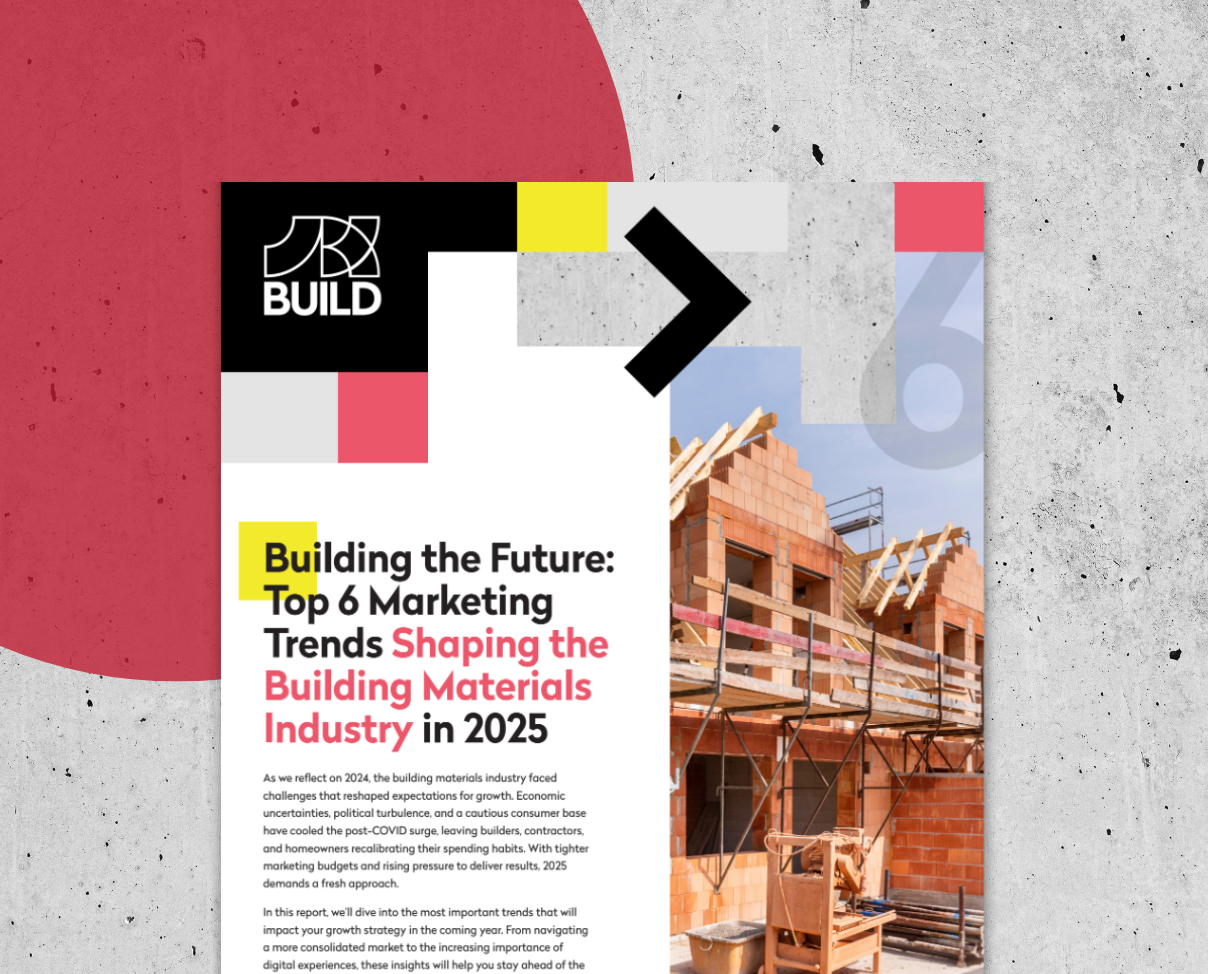 " alt="" loading="lazy" role="presentation" />
Gated Resource
Building Materials
Building the Future: Top 6 Marketing Trends Shaping the Building Materials Industry in 2025
Discover the 2025 marketing trends that will redefine the building materials industry. Stay competitive with insights to drive results and growth. Read moreKeep up to date with everything related to JKBuild.
Want to sign up for updates, announcements, offers and promotions from Jan Kelley? Simply fill in the form below and we’ll keep you up to date. You may later withdraw your consent at any time. Check out our Privacy Policy.